iCat Hermetic Hygienic Solution for the Food Industry
20 Temmuz
20 Temmuz 2024


Door systems used in industrial facilities are not merely mechanical components providing access control. They are engineering structures that directly impact the performance of critical processes such as production continuity, material flow, energy efficiency, occupational safety, and climate control management. Consequently, sectional doors, high-speed PVC doors, and loading systems are among the primary determinants of operational efficiency in modern factories.
Door selection is technically evaluated based on the facility's daily operational intensity, internal-external pressure differentials, security requirements, logistics volume, and energy management goals. These three types of systems—sectional doors, high-speed PVC doors, and loading systems—form a complementary structural integrity to ensure maximum performance on industrial production lines.
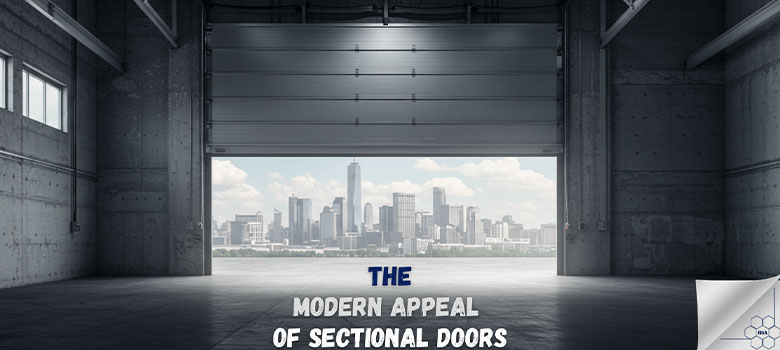
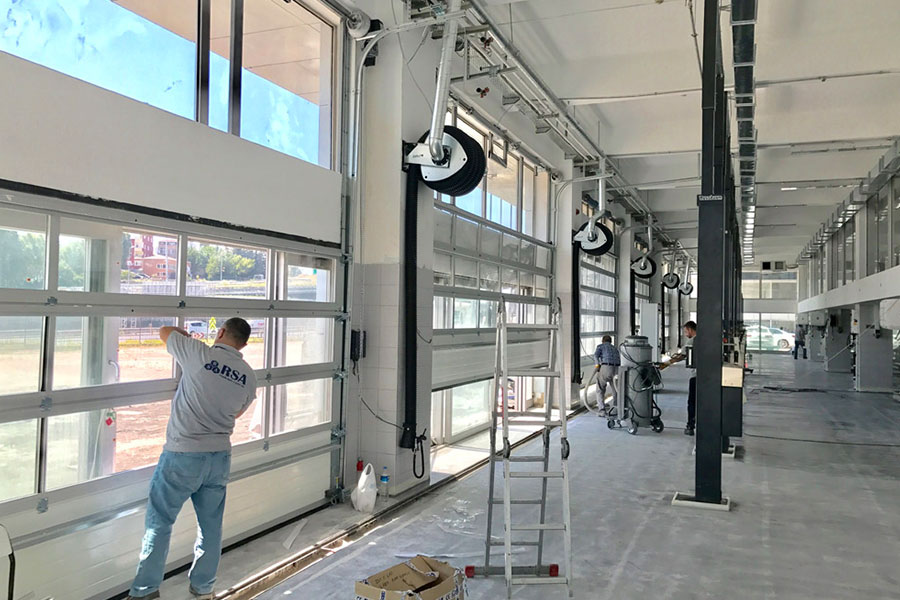
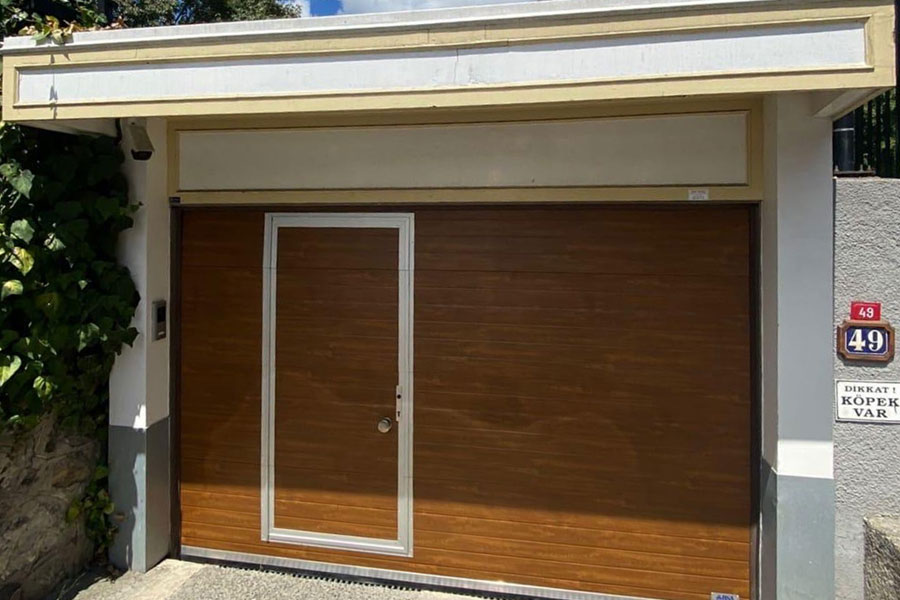
Sectional doors are one of the most preferred door types in industrial facilities due to their robust body structure, high insulation value, and safe operating mechanisms. Expectations of high durability and long service life play a decisive role in the design and production of sectional doors.
Sectional doors offer a significant engineering advantage in cold storage, food production facilities, and climate-controlled factories where heat loss must be minimized. Thanks to high-density panel filling and specialized gasket systems:
The ideal thermal insulation performance of sectional doors is directly related to panel thickness, coating material, and sealing design.
Sectional doors are designed to withstand forklift traffic, intensive cycle usage, and harsh weather conditions. Critically engineered components include:
These components ensure that sectional doors provide a long service life and low maintenance costs.
Safety in sectional doors is of critical importance for personnel protection, especially in industrial facilities. Standard safety features include:
These safety elements eliminate the risk of the door falling suddenly and guarantee user safety.
High-speed PVC doors are engineering solutions that accelerate material flow and reduce transition times in production facilities with their high opening and closing speeds. These doors are specifically preferred in areas with heavy traffic.
The primary advantage of high-speed PVC doors is that their opening and closing speeds are significantly higher than standard industrial doors. This ensures that:
In high-speed doors, motor technology and the control panel are the two critical components that directly determine performance.
To maintain quality in production areas, certain sections must be pressure-controlled or particle-controlled. High-speed PVC doors:
This maintains quality standards across production lines.
In the event of accidental impacts, the flexible panel structure of high-speed PVC doors comes into play. These doors:
This feature reduces maintenance costs and prevents operational downtime.
Loading areas in industrial facilities are the hub of goods reception and shipping processes. Loading ramps and dock shelters used in these areas work in conjunction with door systems to ensure an uninterrupted logistics flow.
Dock levelers are used to equalize the warehouse floor with different vehicle heights. Technical components include:
Ramps that do not function perfectly can cause material damage and occupational accidents.
Dock shelters reduce air and energy loss between the vehicle and the warehouse. This structure:
The correct alignment of the shelter with the door system is critical for energy efficiency and product safety.
Maximum efficiency is achieved for industrial facilities when sectional doors, high-speed PVC doors, and loading systems work together. The technical advantages of this integration include:
For this reason, door systems in modern factories should be evaluated as integrated engineering solutions rather than standalone products.
In industrial door systems, installation and maintenance services ensure the continuity of performance as much as production quality. The following technical principles are prioritized in professional installation:
Faulty installation or inadequate maintenance can lead to operational downtime, safety risks, and increased energy costs.
In industrial facilities, door systems are critical engineering components that directly affect production speed, logistics efficiency, energy consumption, and safety standards. While sectional doors offer durability and insulation advantages, high-speed PVC doors provide speed and business continuity, and loading systems support the logistics flow.